
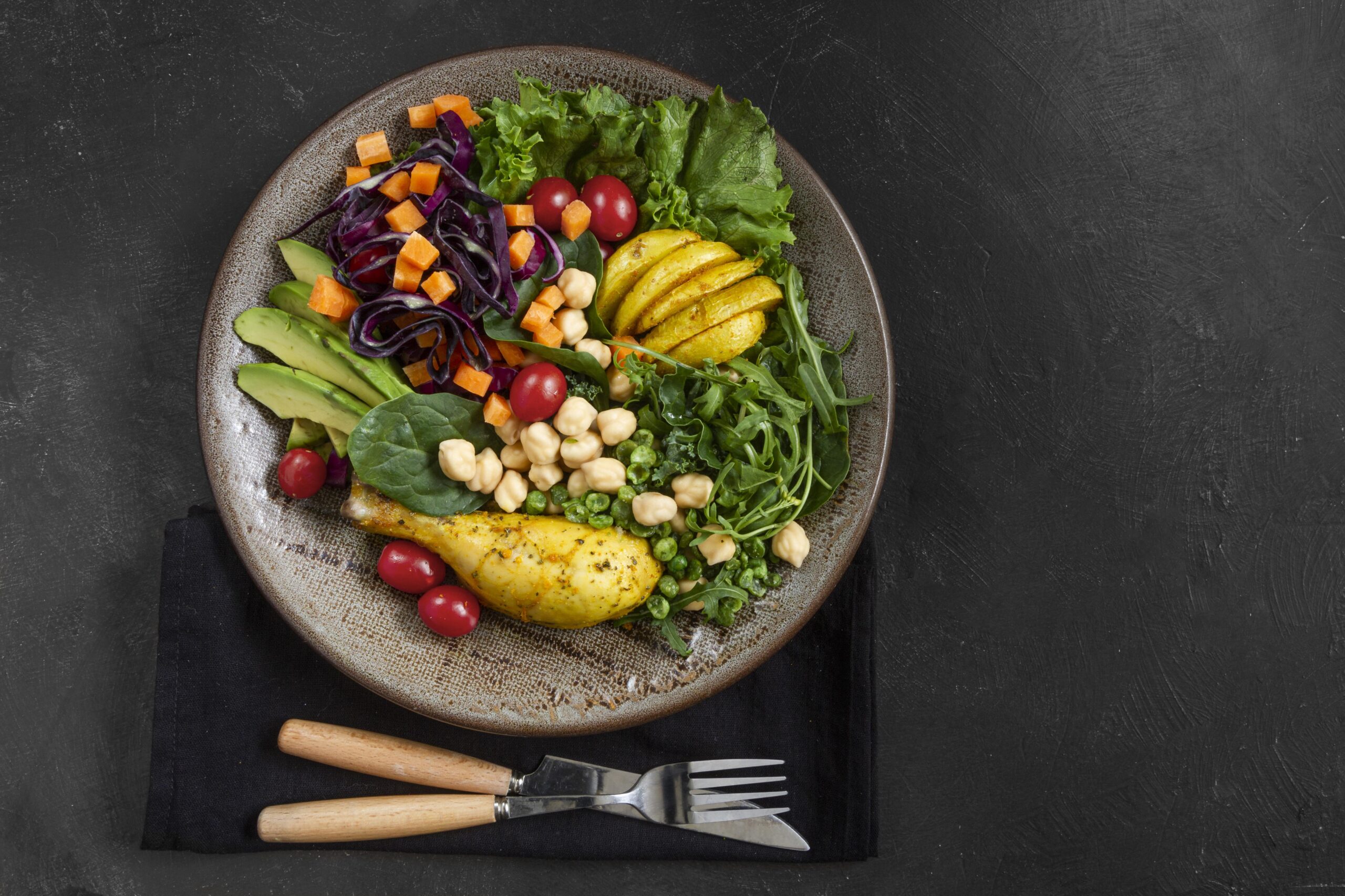
At LoansByToday.com, we understand that maintaining balance in life often means juggling work, family, finances, and personal health. One of the most common challenges our readers face is finding time for a nutritious lunch during hectic weekdays. With packed schedules and constant demands, it’s easy to reach for fast food or convenience items that may be quick but often leave you feeling sluggish and unsatisfied later in the day.
The good news is that healthy weight loss lunches don’t need to be complicated, expensive, or time-consuming. By focusing on simple combinations of lean protein, fresh vegetables, healthy fats, and fiber-rich ingredients, you can create balanced meals that support steady energy, better focus, and long-term wellness — all while helping control monthly food expenses.
Why Lunch Is Important for Weight Management
Many people underestimate the role lunch plays in maintaining healthy eating habits. When lunch is skipped or replaced with low-quality foods, hunger often builds throughout the afternoon.
This can lead to:
- Increased snacking
- Larger dinner portions
- Cravings for sugary foods
- Reduced energy levels
- Difficulty concentrating
A balanced lunch helps prevent these issues by providing the body with nutrients and fuel when they are needed most.
Instead of experiencing an afternoon energy crash, people who eat balanced lunches often report feeling more productive, focused, and satisfied throughout the day.
The Components of a Healthy Weight Loss Lunch
A successful lunch doesn’t need to be fancy or expensive. Most healthy meals share a few common characteristics.
Lean Protein
Protein is one of the most important nutrients for weight management because it helps promote fullness and supports muscle maintenance.
Excellent protein sources include:
- Chicken breast
- Turkey
- Tuna
- Salmon
- Eggs
- Greek yogurt
- Cottage cheese
- Beans
- Lentils
Including protein in every lunch can help reduce hunger between meals.
Vegetables
Vegetables add volume, nutrients, and fiber without contributing excessive calories.
Popular choices include:
- Spinach
- Lettuce
- Cucumbers
- Tomatoes
- Bell peppers
- Broccoli
- Carrots
- Green beans
The more colorful your vegetables, the greater the variety of vitamins and minerals you’re likely to consume.
Healthy Fats
Healthy fats improve flavor and help meals feel more satisfying.
Good sources include:
- Avocados
- Olive oil
- Nuts
- Seeds
- Nut butters
A small amount of healthy fat can make a significant difference in overall meal satisfaction.
Smart Carbohydrates
Carbohydrates provide energy and should not automatically be avoided.
Instead, focus on nutrient-dense options such as:
- Brown rice
- Quinoa
- Sweet potatoes
- Whole grain wraps
- Oats
These foods provide fiber and help maintain stable energy levels.
Why Meal Prep Makes Healthy Eating Easier
One of the biggest obstacles to healthy eating is lack of preparation.
When lunchtime arrives and no meal is available, many people simply choose whatever is most convenient.
Meal prep helps eliminate this problem.
By preparing ingredients ahead of time, healthy lunches become just as convenient as less nutritious alternatives.
Even spending one hour on the weekend preparing proteins, vegetables, and grains can make weekday lunches much easier.
Grilled Chicken Salad Bowls: A Classic Healthy Lunch
Few lunches are as popular as the grilled chicken salad bowl.
This meal combines lean protein, vegetables, and healthy fats in a way that feels both refreshing and filling.
The best part is its flexibility.
You can customize your salad with:
- Different greens
- Seasonal vegetables
- Avocado
- Feta cheese
- Nuts and seeds
- Various dressings
Because there are so many possible combinations, salads rarely become boring.
Turkey and Avocado Wraps for Busy Days
Some days require a portable lunch that can be eaten on the go.
Turkey and avocado wraps are a perfect solution.
The combination of lean turkey, creamy avocado, and fresh vegetables creates a balanced meal that’s easy to prepare and transport.
Unlike many store-bought sandwiches, homemade wraps allow complete control over ingredients and portion sizes.

The Benefits of Quinoa Bowls
Quinoa has become increasingly popular among health-conscious individuals, and for good reason.
It contains both protein and fiber, making it an excellent foundation for healthy lunches.
A Mediterranean-style quinoa bowl featuring vegetables, chickpeas, and olive oil creates a colorful, satisfying meal that stores well for several days.
Many people enjoy quinoa bowls because they can be customized with different proteins and vegetables throughout the week.
Tuna Lunch Boxes: Affordable and Convenient
Healthy eating doesn’t have to be expensive.
Tuna remains one of the most affordable protein sources available.
A simple lunch box containing tuna, vegetables, whole grain crackers, and fruit can provide balanced nutrition at a fraction of the cost of restaurant meals.
For people trying to save money while improving their eating habits, tuna is an excellent option.
Why Homemade Lunches Save Money
The financial benefits of preparing lunches at home are often overlooked.
A typical takeout lunch can cost significantly more than a homemade meal.
Over the course of a month, daily restaurant lunches can add hundreds of dollars to a household budget.
Preparing meals at home offers several advantages:
- Lower costs
- Better ingredient quality
- Portion control
- Less reliance on processed foods
These savings can add up quickly over time.
Common Mistakes People Make at Lunch
Even individuals with good intentions sometimes make choices that undermine their goals.
Skipping Lunch
Skipping meals often leads to excessive hunger later in the day.
As a result, people may consume more calories at dinner than they would have otherwise.
Eating Too Little Protein
Meals lacking protein tend to be less satisfying.
This can increase the likelihood of snacking shortly after lunch.
Choosing Convenience Over Nutrition
Many packaged snacks and convenience foods contain large amounts of sugar, sodium, and refined carbohydrates.
While convenient, they often fail to provide lasting fullness.
Forgetting to Stay Hydrated
Sometimes thirst is mistaken for hunger.
Drinking water throughout the day can help maintain energy and reduce unnecessary snacking.
Building Sustainable Habits
The most successful eating plans are the ones that can be maintained over time.
Rather than following extreme diets, focus on small improvements that fit your lifestyle.
Examples include:
- Bringing lunch from home three days per week
- Adding more vegetables to meals
- Choosing water instead of sugary drinks
- Preparing ingredients ahead of time
These simple habits often lead to meaningful long-term results.
Final Thoughts
Healthy weight loss lunches don’t need to be restrictive, expensive, or difficult to prepare. By focusing on lean proteins, fresh vegetables, healthy fats, and nutrient-dense carbohydrates, you can create meals that keep you full, energized, and satisfied throughout the day.
Whether you prefer grilled chicken salad bowls, turkey wraps, quinoa bowls, or simple tuna lunch boxes, the key is consistency. Small daily choices can have a significant impact on overall health, energy levels, and long-term wellness.